You’re Not Imagining It: Why Small-Town Prices Now Feel Like Big-City Prices
I wrote this because I’m seeing the same thing you are. I shop here. I eat here. I live here. And lately, I’ve caught myself standing in line wondering how small-town prices started looking like big-city ones. As a business coach, I understand the pressures owners face—but as your neighbor and a fellow consumer, I also feel the strain on everyday families. This article isn’t about blaming businesses or shaming customers. It’s about saying the quiet part out loud and helping all of us understand what changed, why it matters, and how we move forward together with wisdom, fairness, and community in mind. —Tina Wolfe
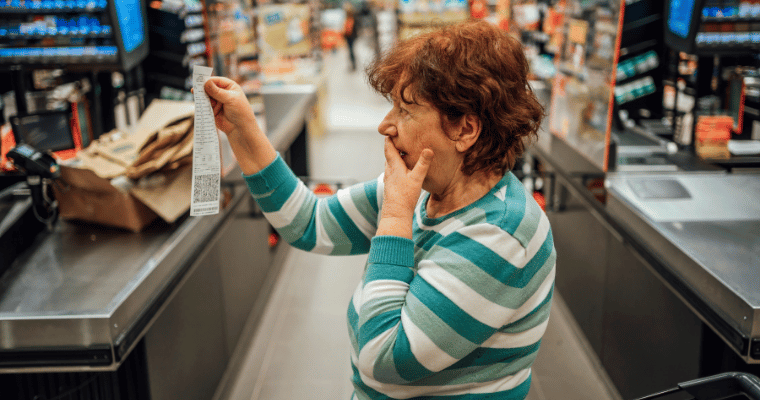
If you’ve walked into a local shop lately and thought, “How is this the same price as Asheville?” — you are not imagining things.
I’ve been noticing that this price-pressure trend has extended beyond the pandemic, and it’s not all caused by supply chain limitations.
I decided to dig into what’s going on, and research confirms my suspicions. Across America, business owners and consumers alike are noticing something unusual. Prices in small towns (Marion included) increasingly mirror those in large metropolitan markets. Communities with vastly different income levels, demographics, and operating environments are showing surprisingly similar price tags.
So, what’s the deal?
For decades, pricing followed a predictable logic. We learned, and I have consistently taught, the formula: Costs + Fair Margins + Local Market Reality = Price. Demographics matter because a consumer in San Francisco or even Asheville has different spending power than the consumer in McDowell County, NC. We all see it; we all feel it.
Small towns were more affordable. Large cities carried higher costs. Local economics shaped local prices.
That model has changed.
And understanding why matters for business owners who want to lead with integrity, sustainability, and wisdom instead of simply reacting to market pressure.
Let’s take a look at what I found that examines what is truly happening with pricing across the United States.
The Traditional Way Businesses Set Prices
Historically, most businesses relied on a straightforward formula:
Costs + Fair Margin + Local Market Reality = Price
Owners considered:
rent and overhead,
labor costs,
supplier expenses,
and what their community could reasonably afford.
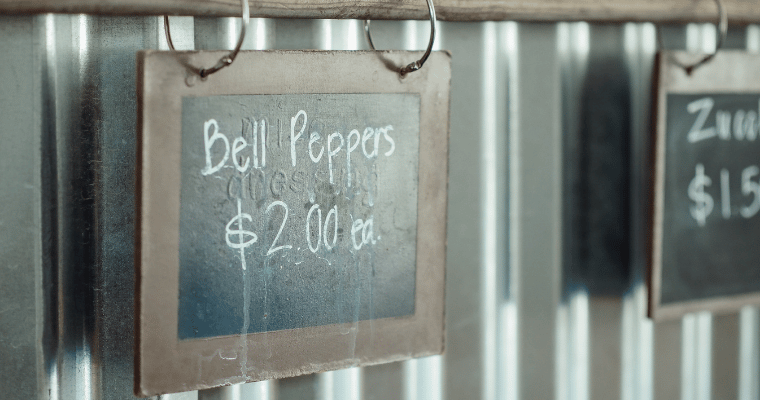
Pricing was local, relational, and based on long-term customer trust. Many small-business owners viewed pricing almost as a stewardship decision—balancing profitability with responsibility to their customers and serving their community well.
For years, this approach worked.
Then 2020 arrived, and the economic environment shifted in ways few anticipated.
The Pandemic Didn’t Just Raise Prices. It Reset Pricing Behavior.
During the pandemic, supply chains fractured, labor became scarce, and operational costs rose rapidly. That makes sense. Businesses had to react to the economic reality in front of them. Businesses raised prices out of necessity, and customers largely understood.
But something unexpected happened.
Consumers kept buying.
Axios explained in a 2023 article that even as prices climbed faster than many predicted, demand remained strong. Stimulus payments, accumulated savings, and pent-up demand created an environment where customers tolerated increases that previously might have driven them away.
Economists now describe this period as a pricing reset.
Businesses learned that customers were willing to pay more than historical pricing models suggested. When costs later stabilized or declined, many prices did not follow.
Fed Vice Chair Lael Brainard described a "price–price spiral," where companies in some sectors had been hiking prices for consumers by more than their own costs, which ultimately rose.
The result was not merely inflation—it was a transformation in how businesses think about pricing itself.
Five Competing Theories Explaining America’s Pricing Shift
My research shows that economists are still debating what caused today’s pricing environment. Several major theories have emerged.
1. Cost-Push Inflation
The traditional explanation remains partially true: labor shortages, shipping disruptions, and higher material costs pushed prices upward.
However, this theory alone cannot explain why prices stayed elevated after supply chains recovered.
2. Demand Shock Economics
Lockdowns reduced spending opportunities while government stimulus increased savings. When restrictions were lifted, consumers spent aggressively.
Businesses responded to sustained demand by raising prices further, discovering that customers continued to buy despite increases.
Here’s where the saying “Just because you can do something doesn't mean you should,” comes to mind.
3. Markup Expansion
Research and policy discussions increasingly note that prices often rose faster than underlying costs. Inflation created social permission for businesses to expand margins while consumers expected increases everywhere.
This does not necessarily mean all businesses acted unethically. Many simply responded to market conditions or did what “everyone else was doing.”
Still, the effect was clear: pricing became less tied to cost and care for their own community, and more tied to perceived tolerance and a “getting while the getting is good” mindset.
While we’ve seen investment in Old Fort, downtown Marion has suffered from this markup-expansion practice, as higher-priced stores, restaurants, and shops have closed their doors.
4. Seller’s Inflation
The American Economic Association explains that some economists argue that crises create collective pricing momentum. When everyone expects prices to rise, individual businesses feel safe raising theirs as well.
In this environment, pricing decisions are driven as much by expectation as by accounting.
5. Market Structure Changes
In many industries, competition decreased from consolidation, closures, and workforce shifts. Fewer competitors often lead to greater pricing power.
Small towns, in particular, now have fewer service providers than before 2020. (I do miss our local dry cleaner, for example.) Limited options naturally allow prices to rise—even without intentional coordination.

Why Small-Town Prices Now Resemble Big-City Prices
Many business owners assume higher prices reflect higher profits. The reality is more nuanced.
Several forces are reshaping local pricing.
National Comparison Replaced Local Comparison
The internet erased geographic price boundaries.
Business owners no longer compare themselves only to neighboring shops. They compare prices to regional metros, online competitors, and national brands.
Pricing became national even when communities remained local. And we’re feeling it.
Migration and Remote Work
Remote workers relocating from urban areas brought metropolitan incomes into smaller markets. Businesses adapted prices to new customer segments with higher purchasing power.
The local economy quietly blended with outside income streams.
Tourism Spillover
In regions like Western North Carolina, tourism influences pricing behavior. Businesses often price for visitors who can afford higher rates, even though year-round residents may struggle with those same prices.
Fear-Based Pricing
Many owners endured extreme uncertainty during the pandemic. Supply shortages, shutdowns, and labor instability created lasting financial trauma.
Instead of pricing purely for efficiency, some businesses now price defensively—building cushions against future disruptions. This is what I call scarcity pricing.
I’m reminded of the story in Exodus where some families tried to hoard up the manna that God provided because they were in “survival mode.” The saved manna was no good. Their lack of trust in the system that God gave them backfired.
The Data Behind Rising Margins
Corporate data shows that profit margins across many industries expanded significantly between 2020 and 2022 and have remained elevated compared to pre-pandemic levels. This applies to both large and small businesses.
Yet this does not mean all businesses are thriving.
Large corporations often captured margin expansion more successfully than small businesses. Independent operators continue facing rising insurance costs, software subscriptions, financing expenses, and wage pressure.
In many cases, higher prices simply preserved survival rather than creating windfall profits. In other cases, they found that many small businesses defaulted to raising prices instead of self-auditing to maintain reasonable profit margins.
This distinction matters. Negotiating loan terms, shopping vendors, and even seeing if they could lower rates or pause subscriptions to avoid raising prices above what the market could bear were overlooked.
Customers often perceive price increases as greed, while owners experience them as a necessity. In some cases, it’s mismanagement that presents as necessity.
Both perspectives can exist simultaneously.
Why Service Businesses Lead the Pricing Shift
Service-based companies have changed pricing faster than product-based businesses for several reasons. Have you watched the cost of lawn care go up? How about those trips to the salon for a nail day or a massage?
This is where I’m seeing national-based pricing take the lead over demographic-based pricing. There are three factors here:
Labor Is the Product
In service industries, time and expertise are the inventory. When wages rise, pricing must adjust immediately because there is no stored inventory to buffer costs.
Expertise Was Historically Underpriced
Many service providers felt they had undervalued their knowledge for years. Inflation gave permission to transition to value-based pricing rather than hourly, local, margin-based pricing.
Customers Value Convenience More Than Ever
Post-pandemic consumers increasingly prioritize convenience, relationships, and trusted expertise. Businesses discovered customers were willing to pay premiums for convenience and personal service.
Why Pricing Now Feels Disconnected from Reality
For experienced entrepreneurs, today’s market feels unsettling because long-standing principles appear to have changed.
Business once rewarded:
operational efficiency,
fair margins,
and community alignment.
Today’s environment often rewards the following:
experimentation,
positioning,
and perceived value signaling.
Pricing has moved from a calculation to a strategy.
The question many businesses now ask is no longer, “What is fair?” but rather, “What will the market accept?”
That philosophical shift explains much of the discomfort people feel.

The Hidden Risk of the Current Pricing Culture
Markets eventually rebalance.
When prices rise faster than perceived value, several consequences follow:
customer loyalty weakens,
trust erodes,
discretionary spending declines,
and demand corrections occur.
Small communities may experience these adjustments earlier than large cities because local relationships matter deeply. And if the increase in price doesn’t reflect an increase in service or value, the small business customer feels it immediately.
Businesses built only on price maximization often struggle when consumer sentiment shifts.
What Healthy Small Businesses Can Do Differently
Not every company is chasing the highest possible price. Many thoughtful leaders are choosing a wiser path.
Transparent Pricing
Successful businesses openly communicate why prices changed and what value customers receive. Transparency builds trust even when increases are necessary.
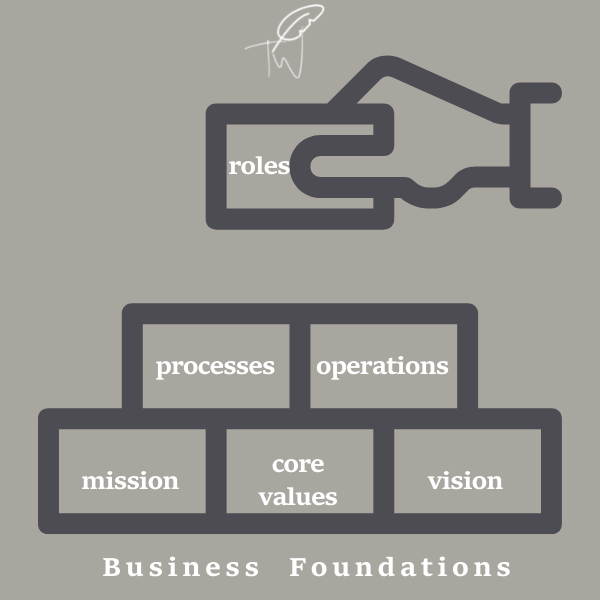
When your business is built on a foundation of your mission and vision, and driven by your core values, you approach market upsets differently. You don’t jump on the bandwagon. You are thoughtful about how you shift or adjust without abandoning your mission and values.
Think of it as your compass that keeps you on the path to your ultimate vision for your business.
If you must raise your prices, here are some ethical practices:
Tiered Offers
Rather than raising one price dramatically, smart operators create options:
essential services,
enhanced packages,
premium experiences.
Customers retain choice, reducing resentment.
Margin Discipline
Strong businesses focus on systems, efficiency, and customer retention instead of relying solely on price increases for profitability.
Operational clarity often produces healthier margins than constant price hikes.
Community-Centered Economics
The most resilient small businesses remember their role within the local ecosystem. They balance profitability with long-term relationship stewardship.
They understand that sustainable success is measured over decades, not quarters.
A Leadership Moment for Business Owners
We are living through one of the most significant pricing transitions in modern economic history.
Business owners now face a choice.
They can follow the cultural trend toward maximum pricing power, or they can lead differently—building businesses grounded in clarity, value, and service.
Pricing is not merely an economic decision. It communicates identity, purpose, and trust.
Customers ultimately reward businesses that align price with genuine value and authentic care.
The opportunity before today’s entrepreneurs is not simply to survive inflation but to redefine what responsible, sustainable business leadership looks like in a changing marketplace.
Because the businesses that endure will not necessarily be the ones charging the most.
They will be the ones customers believe in.
And belief, once earned, becomes the strongest competitive advantage any business can possess.